
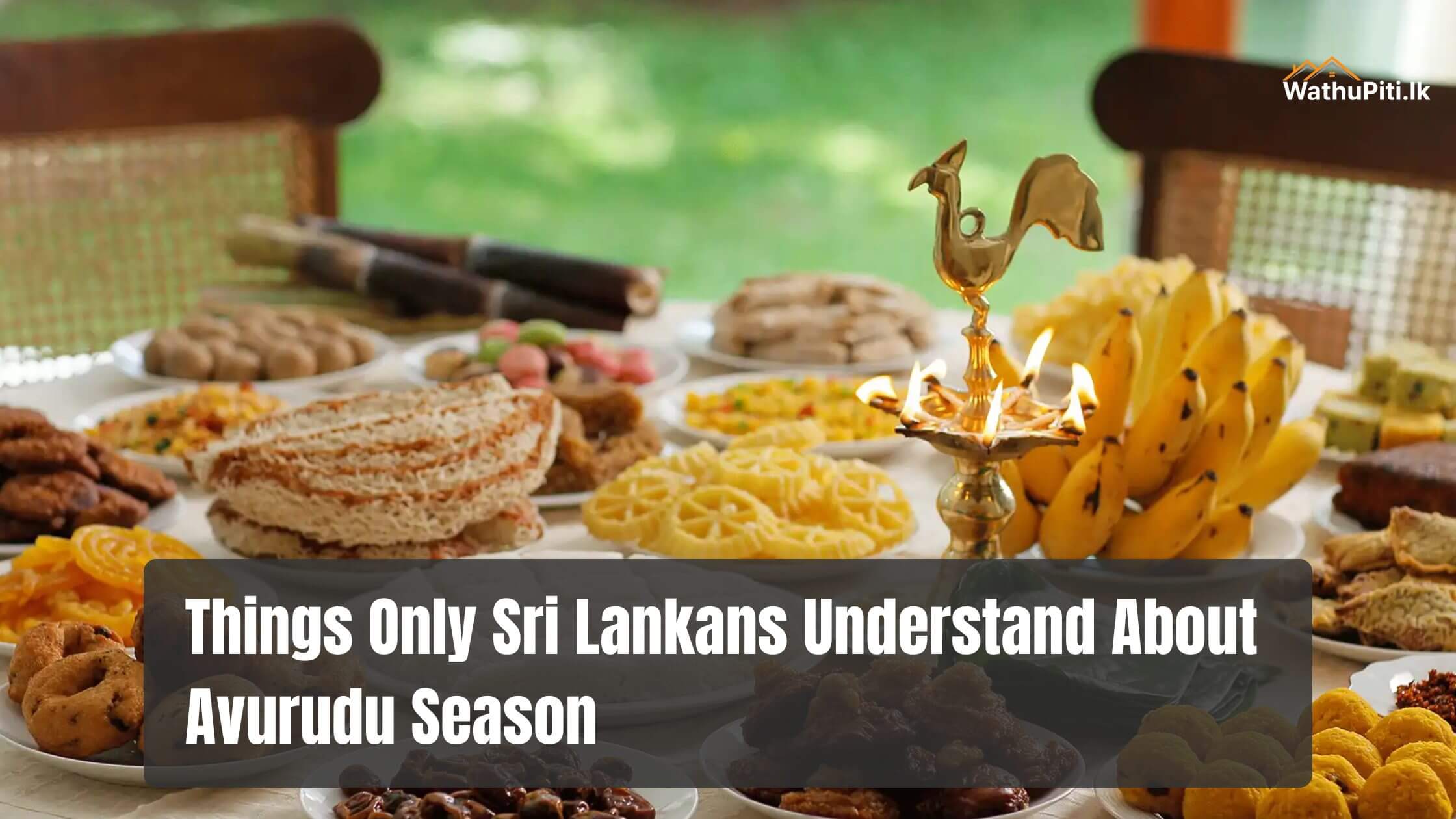
Things Only Sri Lankans Understand About Avurudu Season
Every year in April, Sri Lanka transforms in a way that feels both festive and deeply personal. The Sinhala and Tamil New Year—commonly known as Avurudu—is more than just a cultural celebration. It is a shared experience shaped by tradition, timing, and a strong sense of community. While many may recognise the visible customs, there are certain subtle, meaningful moments that only Sri Lankans truly understand.
The “Nonagathe” – A Pause Like No Other
One of the most unique aspects of Avurudu is the period known as Nonagathe. This is the time between the old year ending and the new year beginning. Unlike typical countdown celebrations, this is not a moment of noise or excitement. Instead, everything slows down.
Shops close, businesses pause, and families step away from daily routines. It’s a time dedicated to reflection, religious observances, and mental reset. For many Sri Lankans, this quiet pause is just as important as the celebration itself—it creates space to let go of the past and prepare for a fresh start.
Following the Auspicious Times
Avurudu is guided by a detailed schedule of auspicious times, known as nekath. From lighting the hearth to eating the first meal, every key activity is done at a specific time believed to bring good fortune.
To an outsider, this may seem rigid. But for Sri Lankans, it’s a moment of unity. Across the country, families perform the same rituals at the same time—lighting the fire, sharing milk rice, and beginning the year together. It creates a powerful sense of connection, even among people who have never met.
The First Meal – More Than Just Food
The first meal of the New Year is not just about eating—it’s symbolic. Dishes like kiribath (milk rice), sweetmeats, and traditional treats are carefully prepared and shared with loved ones.
But what makes this moment special is not the food itself. It’s the intention behind it. The act of eating together at the exact auspicious time represents prosperity, unity, and gratitude. Even Sri Lankans living abroad try to recreate this moment, proving how deeply rooted it is in their identity.
The Smell of Avurudu
Ask any Sri Lankan, and they’ll tell you—Avurudu has a smell.
It’s the aroma of freshly fried kavum, kokis, and aluwa filling the house. It’s the scent of new clothes, incense, and oil used for traditional rituals. These sensory details are hard to explain, but instantly recognisable to anyone who has grown up celebrating Avurudu.
It’s not just nostalgia—it’s a feeling of home.
Avurudu Games – Simple but Meaningful
During Avurudu season, villages and neighbourhoods come alive with traditional games. From kotta pora (pillow fighting) to kana mutti (breaking the pot), these activities are simple yet full of laughter.
What makes them special is not competition, but participation. People of all ages join in—children, parents, and even elders. It breaks social barriers and brings communities together in a way that modern entertainment often cannot.
Ganu Denu – The Ritual of Giving and Receiving
Another meaningful tradition is Ganu Denu, which involves exchanging money or gifts between family members. It symbolises goodwill, prosperity, and mutual respect.
This ritual often takes place with elders, reinforcing the importance of family hierarchy and gratitude. It’s a reminder that Avurudu is not just about celebration, but also about strengthening relationships.
The Oil Anointing Ceremony
The hisa thel gema (oil anointing ritual) is one of the most spiritually significant practices of Avurudu. Conducted at temples or community spaces, it involves applying herbal oil to the head while blessings are given.
This ritual is believed to bring protection, good health, and renewal for the year ahead. For many Sri Lankans, it represents both physical and emotional cleansing—a fresh beginning in every sense.
New Clothes and New Beginnings
Wearing new clothes during Avurudu is more than a tradition—it’s symbolic of renewal. The colours are often chosen based on the auspicious schedule, adding another layer of meaning.
For Sri Lankans, this simple act carries a powerful message: no matter what the past year brought, the new year is a chance to start again.
The Emotional Side of Avurudu
Beyond the rituals and celebrations, Avurudu carries a strong emotional connection. It’s a time when families reunite, even if it means travelling long distances. Once quiet homes become lively again.
For many, it’s also a time of reflection—remembering loved ones, appreciating the present, and hoping for a better future. These emotional layers are often unspoken, but deeply felt.
Why It’s Hard to Explain to Outsiders
To someone unfamiliar, Avurudu might look like just another New Year celebration. But for Sri Lankans, it’s a blend of culture, spirituality, and community that goes far beyond surface-level traditions.
It’s the shared silence during Nonagathe.
It’s the excitement of waiting for the exact auspicious time.
It’s the comfort of familiar smells and foods.
And most importantly, it’s the feeling of belonging.
These are the things that are not easily explained—but instantly understood by those who have lived it.
Conclusion
Avurudu season is a beautiful reminder of what truly matters—family, tradition, and connection. It encourages people to pause, reflect, and start anew with intention and hope.
In today’s fast-paced world, these traditions offer something valuable: a chance to reconnect with oneself and with others. Whether it’s through shared meals, meaningful rituals, or simply spending time together, Avurudu brings a sense of balance and well-being.
This is where supportive services—especially those focused on community care, emotional well-being, and cultural understanding—can play an important role. By creating spaces that respect traditions and encourage connection, such services can help individuals and families maintain these meaningful practices while also supporting their overall mental and emotional health.
Avurudu is not just a celebration. It’s a way of living—and understanding that can make a lasting difference throughout the year.
References:


