
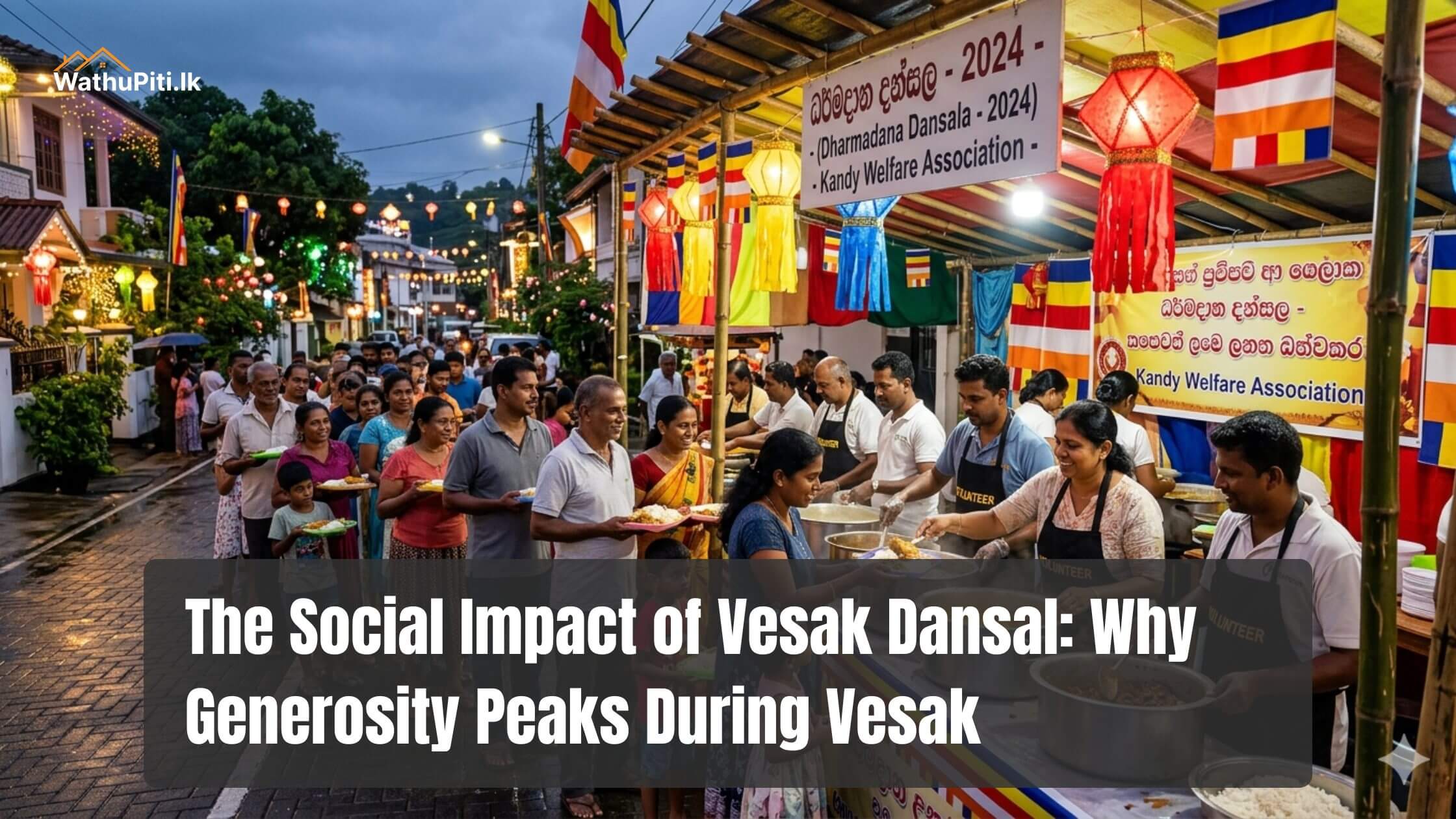
The Social Impact of Vesak Dansal: Why Generosity Peaks During Vesak
Every year during Vesak, the streets of Sri Lanka transform into spaces of kindness, unity, and shared humanity. Along roadsides, near temples, and in busy towns, people gather around brightly decorated Dansal stalls offering free food, drinks, and refreshments to anyone passing by. From rice and curry to ice cream, tea, and herbal drinks, these acts of giving are deeply woven into the country’s cultural and spiritual identity.
More than a festive tradition, Dansal reflects one of the most important Buddhist values: Dana, or generosity. During Vesak, this spirit of giving becomes especially visible, creating a powerful social impact that reaches beyond religion, age, or social status.
Understanding the Meaning of Dansal
A Dansal is a free food stall or service offered to the public during religious celebrations, especially Vesak and Poson. The Buddhist practice of selfless giving inspires the tradition without expecting anything in return.
In Buddhism, generosity is considered a path toward reducing attachment, selfishness, and greed. Offering food to strangers is seen not only as an act of kindness but also as a way of developing compassion and humility. For many families, organising or contributing to a Dansal is viewed as both a spiritual responsibility and a joyful community experience.
What makes Dansal unique is its openness. Anyone can stop for a meal or a drink regardless of background, religion, or income level. In a world where many social interactions are transactional, Dansal creates moments of unconditional care.
Why Generosity Peaks During Vesak
Vesak commemorates the birth, enlightenment, and passing away of the Buddha. It is one of the most spiritually significant periods for Buddhists, encouraging reflection on kindness, mindfulness, and compassion.
During this season, people often feel a stronger desire to perform good deeds. Acts such as donating food, helping others, visiting temples, and supporting those in need become more common. Dansal is one of the most visible expressions of this collective generosity.
There is also a strong emotional and cultural connection attached to Vesak. Many people grow up seeing parents, relatives, and neighbours participate in Dansal activities. Over time, the tradition becomes a shared social responsibility passed from one generation to another.
For some, offering a Dansal is a way to honour loved ones or express gratitude for blessings received. Others see it as an opportunity to bring happiness to strangers, even if only for a few moments. These motivations help explain why generosity seems to multiply during Vesak.
Building Community Through Shared Giving
One of the most meaningful social impacts of Dansal is the way it brings communities together. Organising a Dansal often requires teamwork, planning, donations, cooking, decorating, and serving. Families, friends, businesses, and neighbours frequently work side by side toward a common purpose.
These shared efforts strengthen social bonds. People who may not normally interact begin cooperating and communicating through service. Younger generations also learn important values by participating in these activities alongside elders.
In many areas, Dansal becomes a community event that creates a sense of belonging and togetherness. Volunteers spend long hours preparing meals and welcoming visitors with warmth and respect. Even simple acts such as handing a cup of tea to a traveller can create moments of connection and appreciation.
During difficult economic periods, these acts of community support become even more significant. Free meals and refreshments can offer relief to people who may be struggling financially while also reminding them that kindness still exists within society.
Promoting Equality and Inclusion
Another powerful aspect of Dansal is the way it reduces visible social barriers. At a Dansal, everyone stands in the same line and receives the same meal. Differences in wealth, profession, or social status become less important.
This temporary sense of equality reflects a deeper Buddhist principle: every individual deserves compassion and dignity. The atmosphere created around Dansal often feels welcoming and peaceful because it encourages people to see one another simply as fellow human beings.
Visitors include schoolchildren, workers, travellers, tourists, and families from all walks of life. In this way, Dansal creates shared public spaces centred around kindness rather than competition or division.
The Emotional Value of Giving
While the public receives food and refreshments, those offering the Dansal also experience emotional and spiritual fulfilment. Many volunteers describe feelings of happiness, peace, and satisfaction from helping others.
Scientific research on generosity often shows that acts of giving can improve emotional well-being and strengthen social relationships. Vesak traditions naturally encourage these positive experiences through meaningful community participation.
For children and young people, witnessing generosity in action can leave a lasting impression. It teaches empathy, gratitude, and the importance of caring for others. These lessons extend far beyond the Vesak season and help shape more compassionate communities over time.
Challenges and the Need for Responsible Giving
Although Dansal carries many positive social benefits, there are also challenges that communities increasingly recognise. Food waste, plastic pollution, traffic congestion, and safety concerns can sometimes become issues during large public gatherings.
As awareness grows, many organisers are now focusing on more sustainable and responsible practices. Some communities encourage reusable serving materials, better waste management, and improved coordination to reduce unnecessary excess.
This shift reflects an important idea: true generosity also includes responsibility toward society and the environment.
A Tradition That Reflects the Heart of Vesak
Dansal remains one of the most powerful symbols of Vesak in Sri Lanka because it represents more than free food. It reflects compassion in action. It reminds people that kindness can unite communities, strengthen relationships, and create hope even during challenging times.
At its core, the tradition reflects the Buddhist value of Dana — giving freely with a sincere heart. During Vesak, this spirit becomes visible everywhere, from crowded city streets to quiet village roads.
In a fast-moving world often focused on personal success and individual gain, Dansal offers a different message: that generosity, shared humanity, and compassion still matter deeply.
References:


