
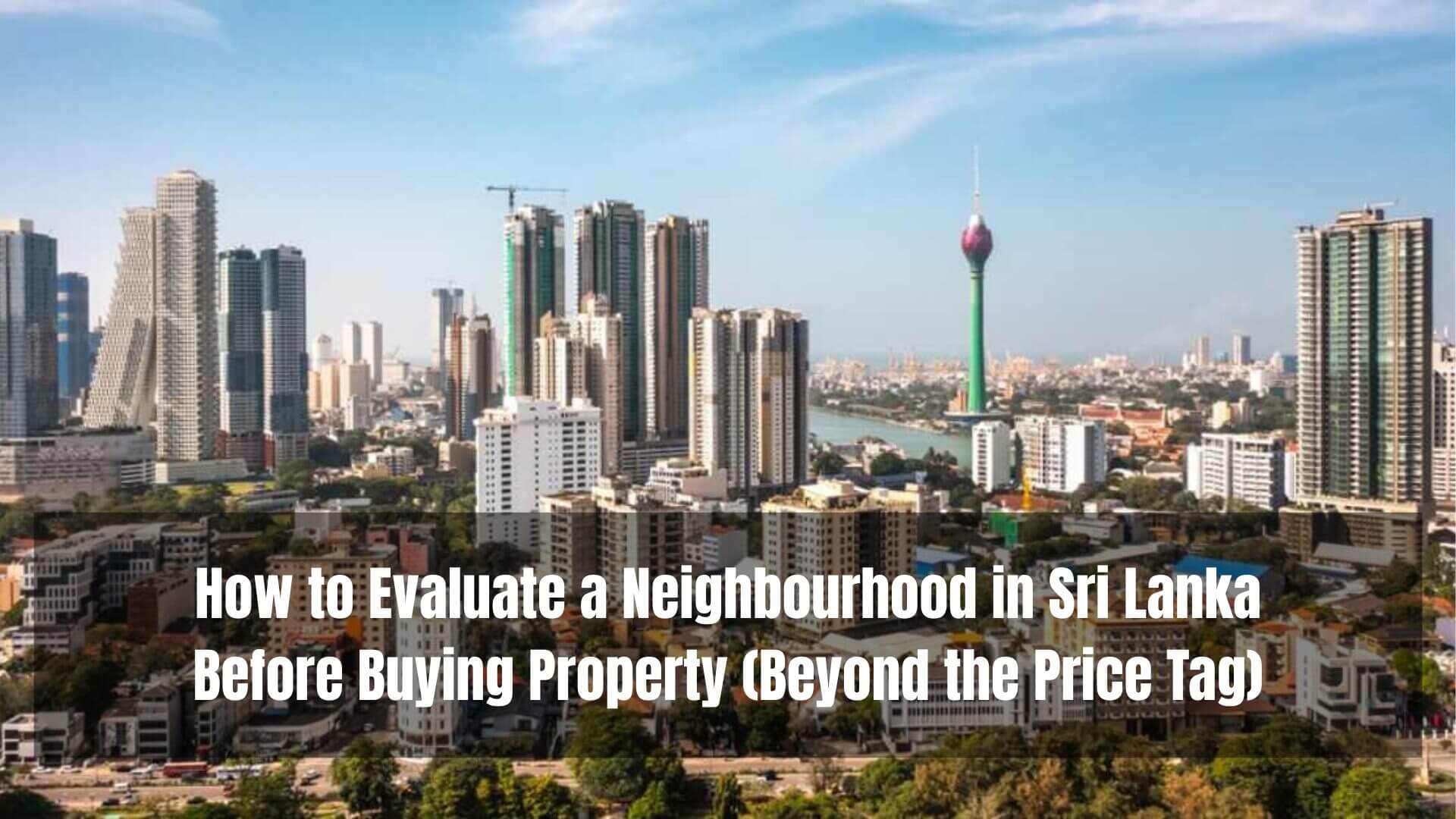
How to Evaluate a Neighbourhood in Sri Lanka Before Buying Property (Beyond the Price Tag)
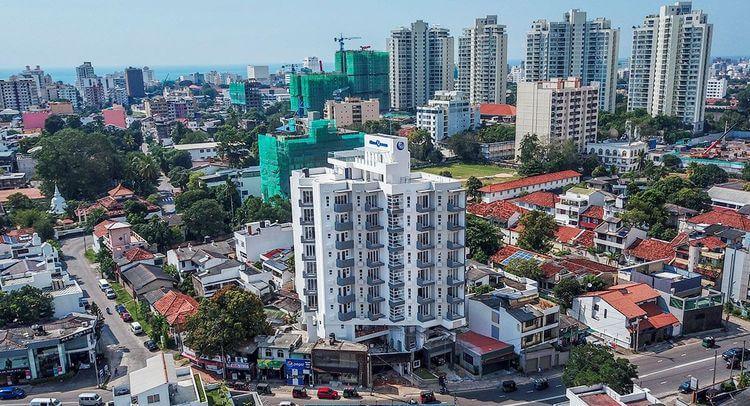
Evaluate a neighbourhood in Sri Lanka before buying property, and you’ll avoid one of the most common mistakes first-time buyers make. When people talk about buying property, the conversation usually starts and ends with price. Is it affordable? Is it cheaper than nearby areas? Will the value go up?
But experienced buyers know something first-time buyers often overlook: the neighbourhood matters just as much as the property itself.
You can renovate a house. You can’t renovate its surroundings.
In Sri Lanka, neighbourhood quality plays a huge role in long-term value, rental demand, and everyday livability. Yet many buyers only start paying attention after they’ve moved in — when changing their mind becomes expensive.
This guide breaks down how to evaluate a neighbourhood properly, beyond surface impressions and sales talk.
How to Evaluate a Neighbourhood in Sri Lanka Beyond the Price Tag
Two identical houses can have completely different values simply because of where they’re located.
Neighbourhoods influence:
- Property appreciation
- Rental demand
- Safety and comfort
- Access to jobs and services
- Daily stress levels
A good neighbourhood quietly improves your quality of life. A poor one slowly drains it.
Knowing how to evaluate a neighbourhood in Sri Lanka can protect both your lifestyle and your long-term investment.
Start with accessibility, not aesthetics
Pretty streets don’t always mean practical living.
Ask basic but important questions:
- How long does it take to reach main roads?
- Is public transport reliable?
- How congested does the area get during peak hours?
In and around Colombo, a short distance on the map can translate into an hour-long commute. Accessibility affects resale value and rental appeal far more than interior finishes.
Spend time in the area during morning and evening rush hours, not just weekends.
Many buyers fail to properly evaluate a neighbourhood in Sri Lanka before committing, which leads to regret later.
Observe daily life, not just show days
Neighbourhoods reveal their true character through routine.
Visit the area:
- Early morning
- Midday
- Evening
Notice:
- Noise levels
- Traffic flow
- Parking habits
- General upkeep
If streets are consistently cluttered, drainage looks neglected, or common spaces are poorly maintained, those issues rarely improve on their own.
A neighbourhood’s everyday behaviour tells you more than a polished property viewing.
If you evaluate a neighbourhood in Sri Lanka carefully, resale value and rental demand become easier to predict.
Check infrastructure and utilities reliability
Infrastructure quality varies widely across Sri Lanka.
Pay attention to:
- Road conditions
- Drainage systems (especially in flood-prone areas)
- Water supply consistency
- Electricity stability
- Waste collection
Frequent power cuts, water shortages, or flooding issues directly affect livability — and future resale value.
Ask current residents what problems they deal with regularly. They’ll tell you things agents won’t.
Learning to evaluate a neighbourhood in Sri Lanka is just as important as choosing the right property.
Look at development patterns, not promises
Growth potential is often sold with vague language: “up-and-coming”, “future hotspot”, “rapidly developing area”.
Instead of promises, look for evidence:
- Ongoing road expansions
- New schools, hospitals, or commercial centres
- Public transport improvements
- Private sector investment
Development that’s already happening matters more than development that’s merely planned.
Understand zoning and land use
Not all neighbourhoods stay the same.
Check whether the area is:
- Primarily residential
- Mixed-use
- Near industrial zones
A quiet residential street today can change quickly if zoning allows commercial expansion. Increased traffic, noise, and congestion often follow.
Local authority plans provide insight into how an area may evolve over the next decade.
Rental demand (even if you don’t plan to rent)
Even if you’re buying for personal use, rental demand matters.
Strong rental demand indicates:
- Location desirability
- Job accessibility
- Transport convenience
If circumstances change — migration, job shifts, financial needs — the ability to rent out your property becomes a valuable safety net.
Areas with steady rental demand are usually more resilient during market downturns.
Safety and community dynamics
Safety isn’t just about crime statistics.
Observe:
- Street lighting
- Community interaction
- Presence of schools and families
- General sense of order
Neighbourhoods with active communities tend to age better. Areas where residents care about shared spaces usually maintain value longer.
Trust your instincts, but verify them with observation.
Don’t ignore social infrastructure
Access to everyday essentials matters more over time than people expect.
Consider proximity to:
- Supermarkets
- Healthcare facilities
- Schools
- Religious centres
- Recreation areas
Convenience quietly shapes daily satisfaction. Over years, it becomes a major factor in whether a location feels livable or exhausting.
The long-term test: imagine staying for 10 years
Ask yourself:
- Would this area still work if traffic doubled?
- If your family size changed?
- If you needed to rent the property out?
- If you had to sell during a slow market?
Neighbourhoods that pass these mental stress tests tend to be safer long-term choices.
A smarter way to think about location
Property decisions shouldn’t be rushed or romanticised.
A good neighbourhood:
- Supports your lifestyle
- Protects your investment
- Offers flexibility for future changes
Price matters. Design matters. But location shapes everything else.
In Sri Lanka’s evolving property landscape, buying well isn’t about chasing trends — it’s about choosing environments that age gracefully.
And the smartest buyers know: the neighbourhood is the investment.
References & Further Reading
You can include this section at the end of the blog:
- Central Bank of Sri Lanka – Economic & Housing Indicators
https://www.cbsl.gov.lk/en/statistics - World Bank – Sri Lanka Urban Development & Infrastructure
https://www.worldbank.org/en/country/srilanka - Department of Census and Statistics Sri Lanka
https://www.statistics.gov.lk - Daily FT – Property, Infrastructure & Urban Development Coverage
https://www.ft.lk/property - LankaPropertyWeb – Location-Based Property Listings & Trends
https://www.lankapropertyweb.com


